
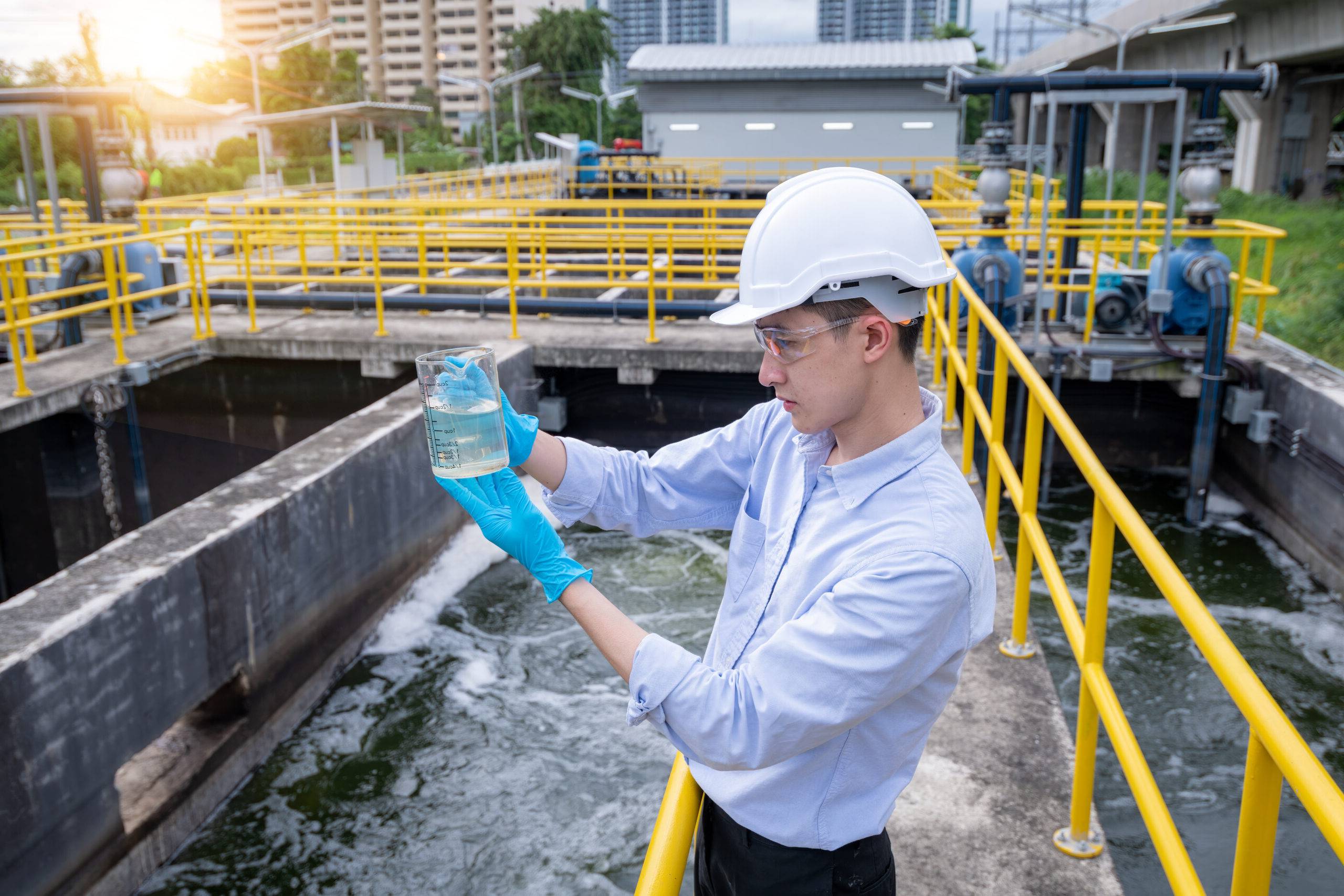
What is Electrochlorination?
The Science is Simple
Electrochlorination is built on a straightforward chemical truth: When you pass an electric current and a solution of salt and water through an electrolyzer cell, you create a powerful, safe, and immediately usable disinfectant.
That’s it — no bulk chemicals, no complex chemistry, no mystery.
Electrichlor changes the game
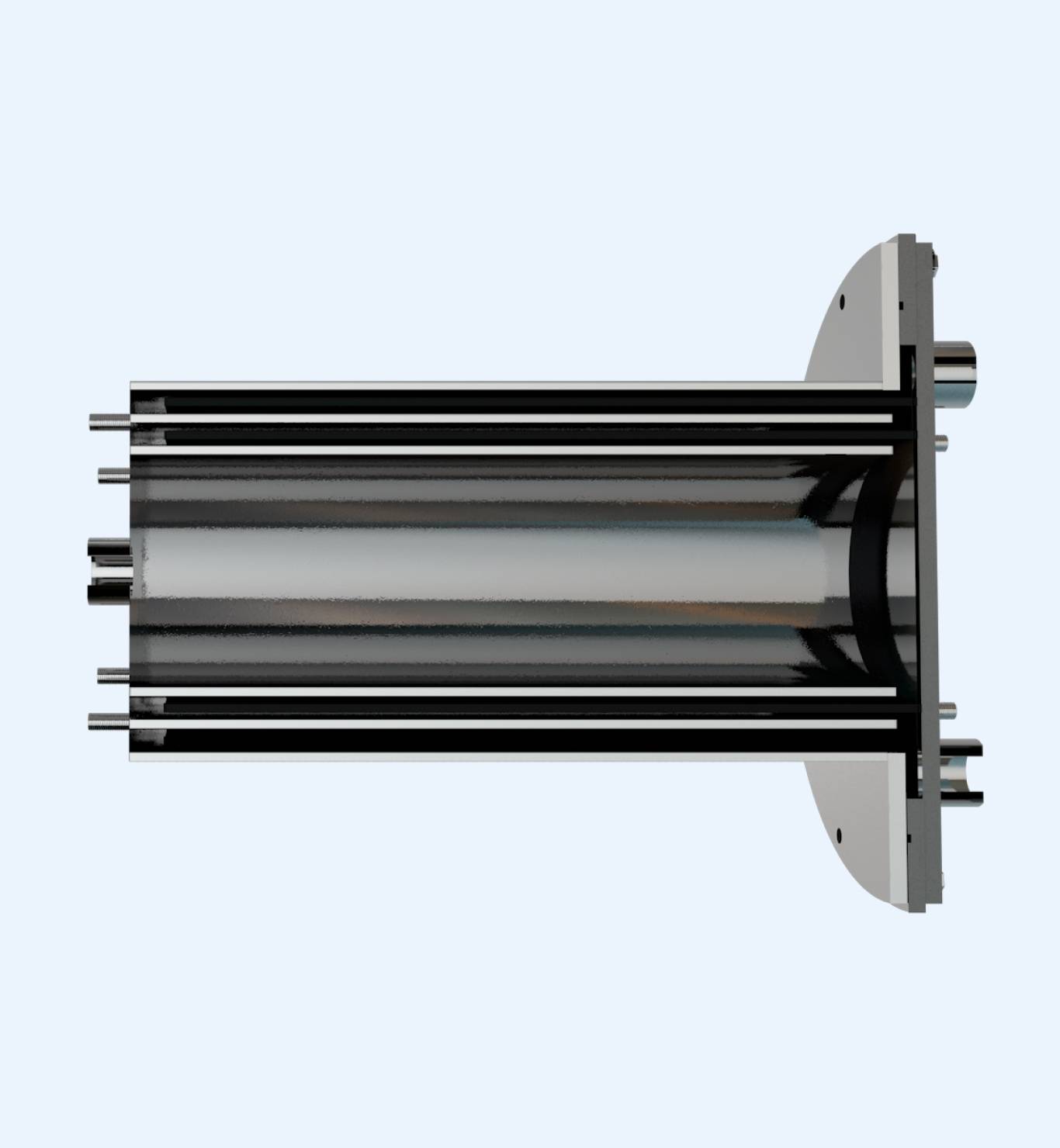
Our integrated cell design is engineered to handle real-world conditions—including water quality upsets—without compromising performance. It’s been proven to run continuously for over 10 years, delivering reliability that conventional cells simply can’t match.
Your Questions, Answered
How does it work?
At its core, the process relies on three inputs:
- Salt (NaCl): A stable, widely available, commodity
- Water (H2O): Available resource
- Electricity: A controlled, low‑voltage current
Seawater, or a solution of water and salt, enter an electrolyzer cell, which has an anode and cathode. The cell uses a power source to transform the chemistry and ultimately produce sodium hypochlorite (NaOCl), the same disinfectant used in municipal and industrial water treatment — but produced on-site, at low concentration, and with inherent safety.
Electrochlorination works because the reaction is predictable, efficient, and self-limiting. The system produces only what you need, when you need it, eliminating the risks and logistics of transporting high‑strength chemicals. It’s chemistry reduced to its essentials: clean inputs, clean reaction, clean output.
Is on-site electrochlorination generation safe?
Yes! When engineered correctly, on‑site electrochlorination is one of the safest ways to produce disinfectant for municipal and industrial water treatment. Its entire design philosophy removes the major hazards associated with traditional chlorine gas or high‑strength bulk hypochlorite deliveries.
- Low‑concentration chemistry: The system produces sodium hypochlorite at <1% concentration — dramatically lower than commercial bleach or bulk deliveries. At this strength, the solution is non‑DOT‑regulated and far less reactive, reducing risks to operators and facilities.
- No hazardous chemical transport or storage: Eliminating chlorine gas cylinders and high‑strength hypochlorite tanks removes the most significant safety liabilities in water treatment. No pressurized gas. No off‑gassing.
- Predictable, self‑limiting reaction: The electrochemical process stops the moment power is removed. There’s no runaway reaction, no stored energy, and no complex chemical chain to manage.
- Hydrogen safely managed by design: Modern systems — including Electrichlor® — incorporate engineered ventilation, dilution, and separation to keep hydrogen well below flammability thresholds. This is why these systems are trusted in confined, mission‑critical environments like offshore platforms and power plants.
- Simple, stable inputs: Salt, water, and electricity are inherently safe materials. No special handling protocols. No hazardous waste streams. No chemical deliveries arriving at unpredictable times.
Why choose electrochlorination?
- Operator‑friendly — minimal chemical exposure, straightforward maintenance
- Regulator‑friendly — aligns with safety, environmental, and risk‑reduction standards
- Community‑friendly — eliminates the public‑safety concerns tied to chlorine gas storage
- Continuity‑friendly — on‑site production avoids supply‑chain disruptions
Why does Electrichlor® technology stand apart?
Electrichlor cells are engineered for one purpose: reliable, low‑risk disinfection in the toughest environments. Our differentiation comes from design choices that directly improve safety, uptime, and total cost of ownership.
1. Built for longevity — All‑titanium cell construction eliminates cracking, crazing, and leaks common in acrylic or glued designs
2. Low‑maintenance operation — Optimized flow geometry reduces scale, extending run time, and minimizing acid cleaning
3. Proven in harsh conditions — Decades of performance on offshore platforms, coastal plants, and remote industrial sites
4. Consistent, predictable output — Stable production across variable water qualities without constant operator intervention
Electrichlor® stands apart because it delivers durability, safety, and operational confidence where it matters most. Afterall, Electrichlor is the name in Electrochlorination.
Is softening required?
Hardness impacts cell life and operating costs. Our roots are in using seawater as a source, and for those applications, hardness levels are typically over 1000 mg/L. Our cell technology and operating philosophy were designed for these waters. Even at these levels, cell life has been proven in the field to last as long as 9-10 years.
For municipal applications, conventional OSHG suppliers utilize water softeners to achieve hardness levels below 20 mg/L in municipal settings. Using a softener with an Electrichlor cell will extend life, reduce the need for acid cleanings, and reduce hardness that may accumulate in the hypochlorite tank.
Want to Learn More?
Gain access to proven electrochlorination technology backed by deep technical expertise and reliable performance in critical water systems.